
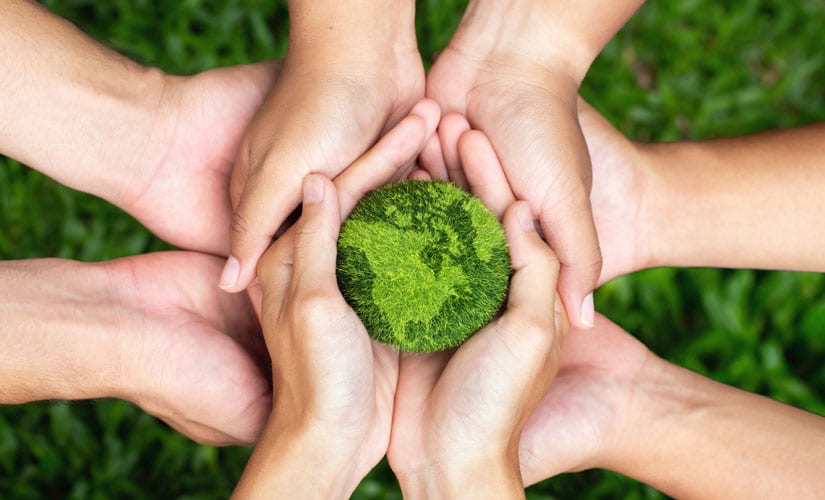
The choices we make today not only impact our own well-being, but also the environment. Adopting a lifestyle that is sustainable benefits your health as well as the environment, creating a harmonious relationship. This comprehensive guide will help you make sustainable choices to promote a healthier planet and yourself.
Understanding Sustainability
Sustainability is the process of meeting our needs without compromising future generations’ ability to do so. Sustainability involves a conscious consumption of resources and minimising waste. We can help preserve the environment and improve our health by incorporating sustainability into daily life.
Conscious Consumption
1. Mindful Shopper
Before buying, evaluate the need for purchases. Select durable, high-quality products instead of disposables. Supporting businesses that are committed to ethical and sustainable practices will encourage positive change. Question yourself: Do I really need it? How long will it last? What was the process of making it?
2. Support local and organic
Reduce your carbon footprint by buying local produce. Organic farming methods avoid harmful pesticides, which is good for your health and the planet. Farmers’ markets offer a great way to find local organic products.
3. Reducing Single-Use Plastics
Plastics that are only used once contribute to significant pollution. Choose reusable alternatives such as containers, shopping bags, and water bottles. Small changes, such as carrying a travel cup or refusing to use plastic straws can help reduce plastic waste.
Sustainable Eating
4. Eat more plant-based meals
By consuming more plant-based foods, you can reduce the pressure on natural resources. Plant-based food production generally uses less water and land than animal products. Begin with Meatless Mondays and slowly add more plant-based meals to your weekly menu plan.
5. Practice Mindful Eating
To prevent food waste, be aware of the portion sizes. Compost food scraps and use leftovers in creative ways. It not only helps reduce waste, but it also shows respect for the natural resources that provide your food.
Energy Efficiency
6. Conserve Energy
Energy consumption can be drastically reduced by simple actions such as turning off the lights when you leave a room or unplugging devices that are not in use. Smart thermostats can optimize heating and cooling.
7. Embrace Renewable Energy
Switch to renewable sources of energy, such as solar or wind. By investing in green energy, you can reduce your carbon footprint and reduce your reliance on fossil-fuels.
Transportation Options
8. Choose Eco-Friendly Transport
If possible, use public transport, bicycles, or to walk. This is not only better for the environment, but also good for your health. Consider carpooling for longer distances or choosing fuel-efficient vehicles.
9. Limit Air Travel
The carbon footprint of air travel is significant. Plan longer stays and virtual meetings to minimize flights. Consider reducing your carbon footprint by using environmental programs to offset any flights.
Waste Reduction
10. Practice The 5 R’s
- Refuse : Say no unnecessary items
- Reduce : Cut back on your consumption.
- Reuse : Choose second-hand products.
- Recycle : Sort recyclable materials properly to prolong the life of the materials.
- Rot : Compost organic waste for soil enrichment.
11. DIY Projects
Repair or upcycle items to prolong their lifespan. Creative projects can turn seemingly useless objects into something fun and functional, reducing the need for new items.
Water Conservation
12. Use water Wisely
Rainwater can be used for gardening. Take shorter showers and fix any leaks immediately. Install water-efficient fixtures that will save water without compromising performance.
Personal Well-being
13. Connect with Nature
Spending time outside reduces stress and improves mood. It also fosters an appreciation of the environment. Engage in regular activities such as gardening, hiking or just taking a stroll in the park.
14. Mindfulness and Gratitude Practice
Cultivating mindfulness and gratitude cultivates a positive outlook, and encourages conscious consumption. Present in the moment can help you make healthier choices, both for yourself and your planet.
Participation in the Community
15. Raising Awareness
Share your knowledge of sustainability with others. Support local environmental initiatives and policies that encourage sustainable practices.
16. Volunteering for Environmental Causes
You can make a greater impact by volunteering your time for initiatives such as tree planting, cleanup drives, and conservation projects.
Conclusion
To transition to a sustainable life style, you need to make small changes consistently that have a big impact. Prioritizing sustainability will not only improve your health, but also contribute to a healthy planet. Every choice you make is a step in the direction of a world where we all live in harmony. Adopt sustainability as a way of life and encourage others to join you in the fight for positive, lasting change.
