
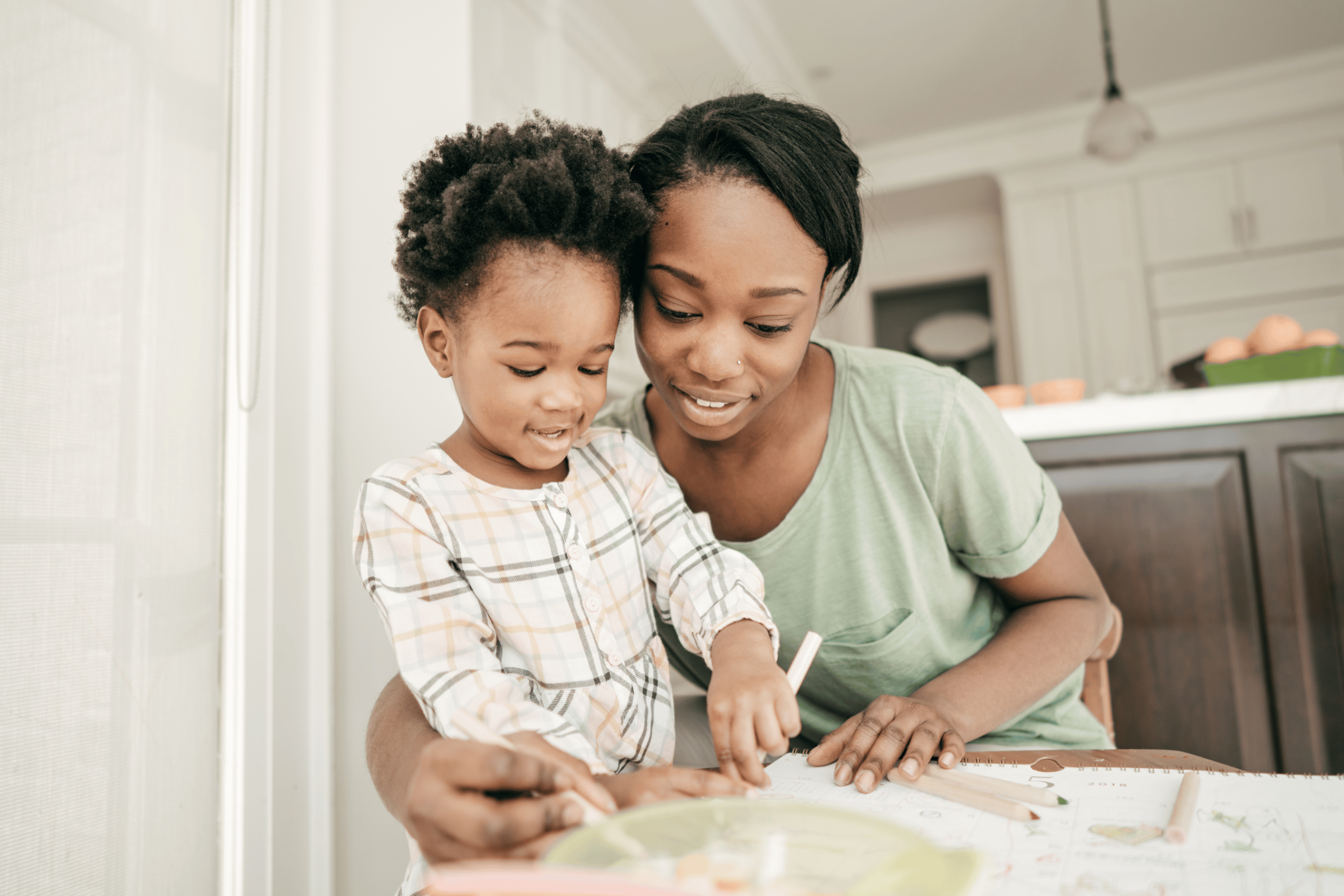
Understanding milestones in child development can help mothers nurture and support the growth of their children effectively. These milestones can be used to track progress and determine when extra support is needed. This comprehensive guide provides insights into key developmental milestones for each age group, allowing you to better support your child.
Infants (0-12 months)
Physical Development
- 0-3 month: Lifts the head during tummytime, and begins to grasp objects.
- 4 to 6 months: Starts rolling over, sitting with support and reaching out for objects.
- From 7-9 months: Starts to crawl, sits up without assistance, and can even begin pulling themselves up.
- 10-12 month: Can stand with support, can take the first steps and is interested in exploring their surroundings.
Cognitive Development
- You will recognize familiar voices and faces.
- Exploration of objects is done by placing them in the mouth.
- Starts to understand the concept of cause and effect.
Social and emotional development
- Smiles socially at 2 months.
- Attachment to caregivers.
- Copy facial expressions and movements.
Toddlers (1-3 Years)
Physical Development
- 1 – 2 years: Starts to walk independently, starts running, and climbs on furniture.
- 2 to 3 years: Starts pedaling a tricycle and climbing stairs with assistance.
Cognitive Development
- Sort shapes and colors by following simple instructions.
- Plays pretend and begins to recognize names of people and things.
- Starts to use and understand simple sentences.
Social and emotional development
- It can develop a strong sense of independence, and even show some defiance.
- Start parallel play (playing with other children).
- Empathy begins to develop when you begin to show awareness of other people’s emotions.
Preschoolers (3 to 5 years old)
Physical Development
- Hops on one leg and stands for a few moments.
- With some accuracy, throws and catches the ball.
- Starts drawing recognizable figures using scissors
Cognitive Development
- Uses imagination and understands time better.
- Can count and understand basic numbers.
- Recalls some parts of the story and engages more in complex pretend play.
Social and emotional development
- Plays cooperatively with others.
- Developing friendships and understanding social rules.
- Can accurately label a variety of emotions.
Early School Age (6-8 Years)
Physical Development
- Improvements in coordination, balance and physical skills such as biking.
- Handwriting and fine motor skills begin to develop.
- Control of large muscle movements is improved.
Cognitive Development
- Reads and writes more fluently.
- Understanding of basic numbers and arithmetic.
- Think logically of concrete events.
Social and emotional development
- More connected with peers and less dependent on parents.
- Demonstrates ability to resolve conflict with others.
- It helps to develop a better sense of right and bad.
Middle Childhood (9-11 Years)
Physical Development
- Strength and agility improves sporting skills.
- Pre-adolescent growth spikes.
- Fine motor skills are refined.
Cognitive Development
- Think more critically and in an abstract way.
- Develops stronger problem-solving skills.
- Understanding more complex mathematical concepts
Social and emotional development
- Friendships can become more significant and based on shared interests.
- Starts to develop a personal identity and sense of self.
- A growing desire for privacy and independence.
Supporting Development
Active Engagement
Enjoy quality time with your children by reading, playing and participating in activities that encourage physical, cognitive and social development.
Encouragement and Praise
Encourage your child to learn by providing positive reinforcement. Celebrate small and big achievements.
Open Communication
Encourage your child to express his or her feelings and thoughts by encouraging an open dialogue. It will strengthen your relationship with your child and build trust.
Educational Support
Use age-appropriate resources to stimulate learning and development, including educational toys, games, and books.
Professional Guidance
Each child will develop at his or her own pace. If you notice a pattern of delays, talk to a child development specialist or pediatrician for support and guidance.
Conclusion
Understanding and monitoring milestones in child development will help you to support your child at each stage. Although milestones are a guideline for children, each child is different and will reach them at their own rate. You can help your child reach their full potential by providing a nurturing atmosphere and encouraging them with love, support and encouragement. Enjoy the journey and the milestones. Cherish the unique path that your child takes.
