
The modern world is characterized by a high level of demand for all kinds of goods, whether it’s electronics, clothing, health products, or household appliances. The process of delivering goods to customers involves several processes such as procurement of goods and warehouse management.
Tips To Optimize Your Freight Management
- Plan your trip properly: A concrete plan is the best way to complete a job successfully. Plan your freight management by considering various factors, such as the procurement of goods, storage facilities, such as warehouses and the mode of transportation to deliver the products to the defined location. Consider other factors such as the cost, time and office equipment. Also, consider transport management software or freight management software. Your supply chain executive will be able create a flowchart for the entire process. Planning should focus on reducing costs, improving efficiency, and maximising profit. Managers should be prepared for unexpected events and have contingency plans in place. It can be related with the products, the inaccessibility of the transport mode, or internal issues within the organization. A contingency plan or an emergency plan is essential to avoid any logistical or freight management failures.
- Use necessary software: The days of maintaining spreadsheets on your computer or keeping all records manually are over. You can now adopt professional freight and transport management programs that help with the delivery and logistics process. These solutions have multiple features that automate workflows and reduce manual work. You can consolidate your shipments as well as monitor multiple shipments to optimize your business. With advanced analytics and reporting, you will have complete control over your freight management.
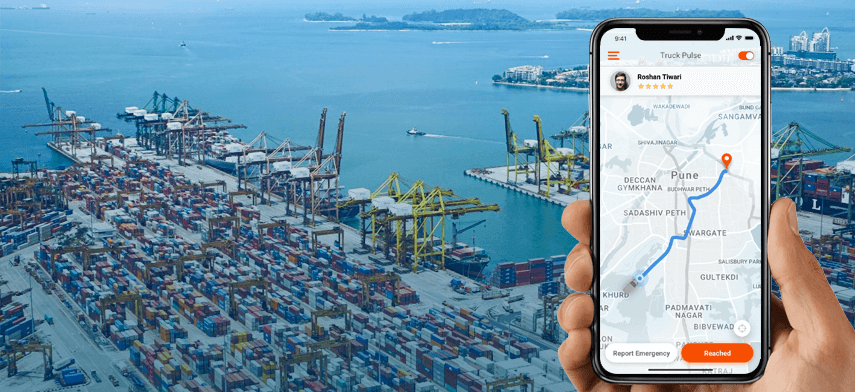
- Smartphones are a powerful tool: The extended capabilities of smartphones can make it easier to manage the freight. Many transport management systems have mobile extensions that can be used to track the vehicles using GPS, view instant delivery logs and give confirmations. Apps can monitor factors like fuel efficiency, time and route of deliveries. The data you have in your hand can be used to micromanage the logistics, freight management and profitability. On the move, you can also track brokers and multiple LTL carriers as well as create shipping labels and bills of landing. You can also schedule pickups, and perform advanced reporting and tracking.
- Effective warehouse management: You can simplify your logistic management by using the right warehouse management techniques. Your warehouse management must be based on the type of goods that are stored there. Optimize your warehouse space. Perishable goods such as fish and meat will require refrigeration in your warehouse. Grain products, for example, should be stored in an environment free of moisture. You should keep a warehouse inventory to minimize wastage. You should also maximize the storage space in your warehouse. There are many techniques that can be used for this purpose, such as the use of vertical columns. A professional software can be used to order goods, so you do not waste time looking for them after the order is placed.The warehouse employees need to be properly trained so that they can perform the tasks according to the needs of the organization.
- Effective packaging: If you don’t pay attention to your packaging, it could be costing you money and reducing your shipping efficiency. The packaging process can be changed to reduce costs for packaging, storage and transport by up to 10. This also reduces carbon dioxide and greenhouse gas emission. Always aim to move more goods with your freight capacity. Fill the outbound box cube as much as you can by using more boxes. Stop using certain shapes of boxes that take up more room. You should secure the goods properly to minimize the risk of damage and avoid freight claims. Fragile goods require special care.
- Go green with your freight: Freight transportation services are a major contributor to greenhouse gas emissions and carbon footprint. 16% of the corporate greenhouse gas emission in the USA is accounted for by this service. By 2040, the current emissions will exceed 40%.Businesses around the globe have recognized that reducing greenhouse gas emissions and reducing emission has become a top priority. This move is made not only to protect the environment but also to reduce operational costs and improve the efficiency of the freight management process. Follow a few simple rules to create sustainability in freight management.
- Maximize your moves: Adapt your packaging and freight arrangements to maximize your cube usage. The greater the efficiency of a cargo move and the lower the cost, the more you can send.
- Choose the carbon-efficient transport mode: You can also choose to travel by boat instead of train or plane. You can choose a less carbon-intensive option.
- Collaborate: Work with all parties involved in the freight management process to reduce costs and improve efficiency.
- Adapt your logistics network: Optimize your logistics network to reduce greenhouse gas emissions and maximize savings.
- Choose energy-efficient and greener equipment: Adopt greener transport equipment and equipment for cargo handling instead of old, fuel-guzzling equipment. Reduce air pollution in busy transport hubs.
- Seamless communication: You should ensure that you share all the details of your shipment with the freight management agency you work with. Only when they are able to access all necessary information will they be able deliver the service you expect. If you have any special requirements, they will be able to meet them. You will be able to optimize your operation and make timely deliveries if you have a smooth communication with both your freight transport service provider and the carrier.
- Search for newer markets: Whether domestic or international, any business should be looking forward to expansion and penetration of new markets. There are certain markets that offer greater success for freight management companies. In countries with a growing economy, you can expect to see multiple clients for services like FMCG, vehicles, housing and relocation, furniture, beverages and food. Freight management firms can enter such markets more easily and profitably.
- Set up metrics to track your performance: Measuring your sustainability efforts should be done by creating metrics based on performance. Measuring your progress in achieving sustainable freight management goals will help you determine how efficient you are. Set a target for your performance based on the current situation. Start monitoring your results, and make adjustments to your operations in order to achieve the performance goal. This process will not only help you reduce carbon emissions and greenhouse gases but also achieve operational gains. Report your progress so you can know what you need to do.You can measure different aspects of your freight operations, such as the cost, time, and amount of goods moved through logistics.
- All stakeholders are valued: Your freight management is only as good as the teamwork of all your stakeholders. You should treat the delivery person as seriously as you would the warehouse manager to ensure your company’s growth and success. It is important to educate your staff on the latest logistics trends. You can do this by holding workshops and training sessions. This will increase their productivity and efficiency, while also increasing the level of satisfaction for your clients!
- Adopting a proactive attitude: Do not rely on the market to provide you with business opportunities. Instead, research the market thoroughly and develop your own growth and success possibilities. Logistics managers should be driven to reduce overall costs, improve supply security, and eliminate high-bargaining suppliers. Follow these above tips to increase your profits and improve the efficiency of freight management. Delivering goods in less time will reduce costs and save you money.
