
An ingrown toenail can turn a simple walk into a painful task. The condition develops when the nail edge grows into the surrounding skin. Swelling, redness, and tenderness often follow. If ignored, the infection may occur and worsen discomfort.
Many people try home remedies first. Warm soaks and careful trimming may help during the early stages. However, persistent pain or repeated infection may require medical care. In such cases, minor surgery becomes a practical solution.
This guide explains what minor surgery involves. It outlines preparation, procedure steps, recovery, and possible risks. Clear information helps us feel prepared and calm before treatment.
What Is an Ingrown Toenail?
An ingrown toenail usually affects the big toe. The nail corner presses into soft tissue. Tight footwear, improper trimming, and injury may trigger the issue. Genetics may also influence nail shape.
Symptoms often begin mildly. Tenderness appears along one side of the nail. Swelling and warmth may follow. If bacteria enter the area, pus and increased pain may develop.
Early care can ease mild cases. Yet recurring problems suggest deeper nail growth. Surgical treatment then becomes a suitable option.
When Minor Surgery Becomes Necessary
Doctors recommend surgery when conservative methods fail. Repeated infections signal that basic care is insufficient. Severe pain that limits daily activity also indicates the need for intervention.
People with diabetes must seek medical advice quickly. Reduced sensation in the feet can hide a worsening infection. Prompt care prevents complications.
A medical professional evaluates the toe. Assessment includes checking redness, discharge, and tissue growth. If the nail repeatedly grows inward, removal of part of the nail may be advised.
What Is Minor Surgery for an Ingrown Toenail?
Minor surgery involves removing part or all of the problematic nail edge. The goal is to stop the nail from pressing into the skin again. The procedure usually takes less than one hour.
Local anesthesia numbs the toe. This injection may sting briefly. Once numb, the patient feels pressure but no sharp pain. The affected nail section is then carefully trimmed away.
Sometimes the nail root is treated with a chemical. This step prevents that section from growing back. Many clinics refer to this approach as permanent partial nail removal. The technique for minor surgery ingrown toenail focuses on comfort and long-term relief rather than cosmetic change.
Preparing for the Procedure
Preparation is simple and usually does not require hospital admission. The patient should inform the doctor about medications. Blood thinners may need temporary adjustment. Allergies should also be discussed.
Clean feet reduce infection risk. Wearing open sandals to the appointment helps avoid pressure after treatment. Transportation home is usually easy, as general anesthesia is not used.
Anxiety before surgery is common. Clear explanations from healthcare staff often reduce concern. Knowing each step in advance helps many people feel steady.
Step-by-Step Procedure Overview
The appointment begins with cleaning the toe. Antiseptic solution reduces bacteria on the skin. A tourniquet may be placed at the base of the toe. This step limits bleeding during the procedure.
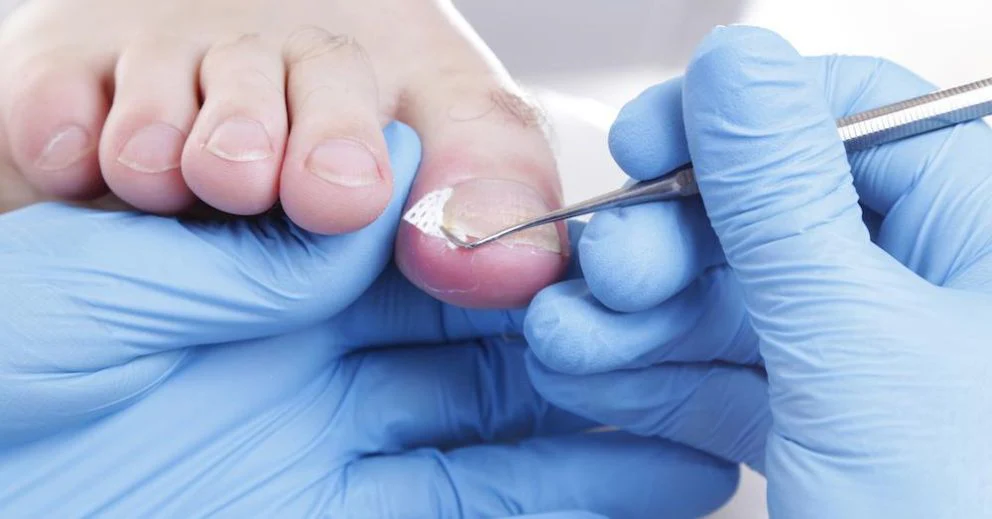
After numbing the area, the surgeon separates the ingrown edge. Special tools allow the precise removal of the nail strip. Careful technique prevents damage to surrounding tissue.
If the root requires treatment, a chemical solution is applied. This step limits regrowth from that side. Once complete, the area is cleaned again. A sterile dressing is placed over the toe.
Most patients walk out of the clinic shortly afterward. Mild throbbing may occur once numbness fades. Pain relief tablets often manage this discomfort effectively.
Recovery and Aftercare
Healing usually takes two to four weeks. The first few days require extra care. The dressing should remain clean and dry. Changing bandages daily prevents infection.
Doctors often recommend soaking the toe in warm salt water. This practice reduces swelling and keeps the area clean. Drying the toe gently afterward is important.
Activity may continue with some caution. Tight shoes should be avoided during early recovery. Comfortable footwear allows space for the healing area.
Drainage of clear or slightly blood-stained fluid can occur. This is normal in the early stages. However, increasing redness or severe pain requires medical review.
Most people return to normal routines quickly. Sports may resume once tenderness resolves fully. Patience during healing supports better results.
Possible Risks and Complications
Minor surgery carries a low risk. Infection remains the most common concern. Following aftercare instructions reduces this possibility.
Occasionally, the nail may regrow incorrectly. Repeat treatment might be required. Some individuals notice slight changes in nail appearance. Cosmetic differences are usually minimal.
An allergic reaction to an anesthetic is rare. Doctors screen for such issues beforehand. Bleeding is typically controlled during the procedure.
Overall, the procedure has a strong success rate. Relief from chronic discomfort often outweighs temporary inconvenience.
Benefits of Minor Surgical Treatment
Pain relief is the primary advantage. Once the problematic edge is removed, pressure decreases quickly. Infections become less frequent or disappear entirely.
Daily activities improve after healing. Walking, exercising, and wearing normal footwear feel comfortable again. Confidence also increases once recurring pain ends.
The procedure remains brief and straightforward. Recovery time is relatively short compared with prolonged home treatment attempts. For many individuals, minor surgical care offers lasting improvement.
Preventing Future Ingrown Toenails
Prevention plays an important role after recovery. Nails should be trimmed straight across. Rounded corners may encourage inward growth.
Footwear should allow adequate space for toes. Narrow shoes create pressure along nail edges. Socks that fit well also reduce friction.
Good hygiene keeps skin healthy. Clean, dry feet lower infection risk. Regular inspection helps detect early changes before pain begins.
Athletes may consider protective footwear. Repeated trauma to toes can alter nail growth patterns. Awareness of risk factors supports long-term comfort.
When to Seek Professional Advice
Persistent pain signals the need for evaluation. Swelling that spreads beyond the toe requires prompt care. Fever or red streaks along the foot indicate possible infection spread.
People with circulation problems should not delay consultation. Compromised blood flow increases complication risk. Early medical attention prevents severe outcomes.
Consulting a trained professional ensures an accurate diagnosis. Other conditions may resemble an ingrown toenail. Proper assessment leads to appropriate treatment decisions.
Emotional and Practical Considerations
Fear often surrounds surgical procedures. However, this treatment remains simple and quick. Clear communication with healthcare providers reduces stress.
Support from family or friends can offer reassurance. Sharing concerns openly may ease anxiety before the appointment. Knowing that many others have undergone similar procedures can provide comfort.
Practical planning also helps. Arranging comfortable footwear and light activity for a few days promotes smooth recovery. Preparing the home environment reduces strain during healing.
Conclusion
An ingrown toenail may seem minor at first. Persistent discomfort can gradually disrupt daily life. When home remedies fail, minor surgery offers effective relief.
The procedure involves removing the problematic nail edge under local anesthesia. Recovery remains manageable with proper care. Risks are limited and generally mild.
A clear understanding helps us approach treatment with confidence. With suitable aftercare and preventive habits, most individuals enjoy lasting comfort. Minor surgical management provides a reliable path back to pain-free movement and healthier feet.
