
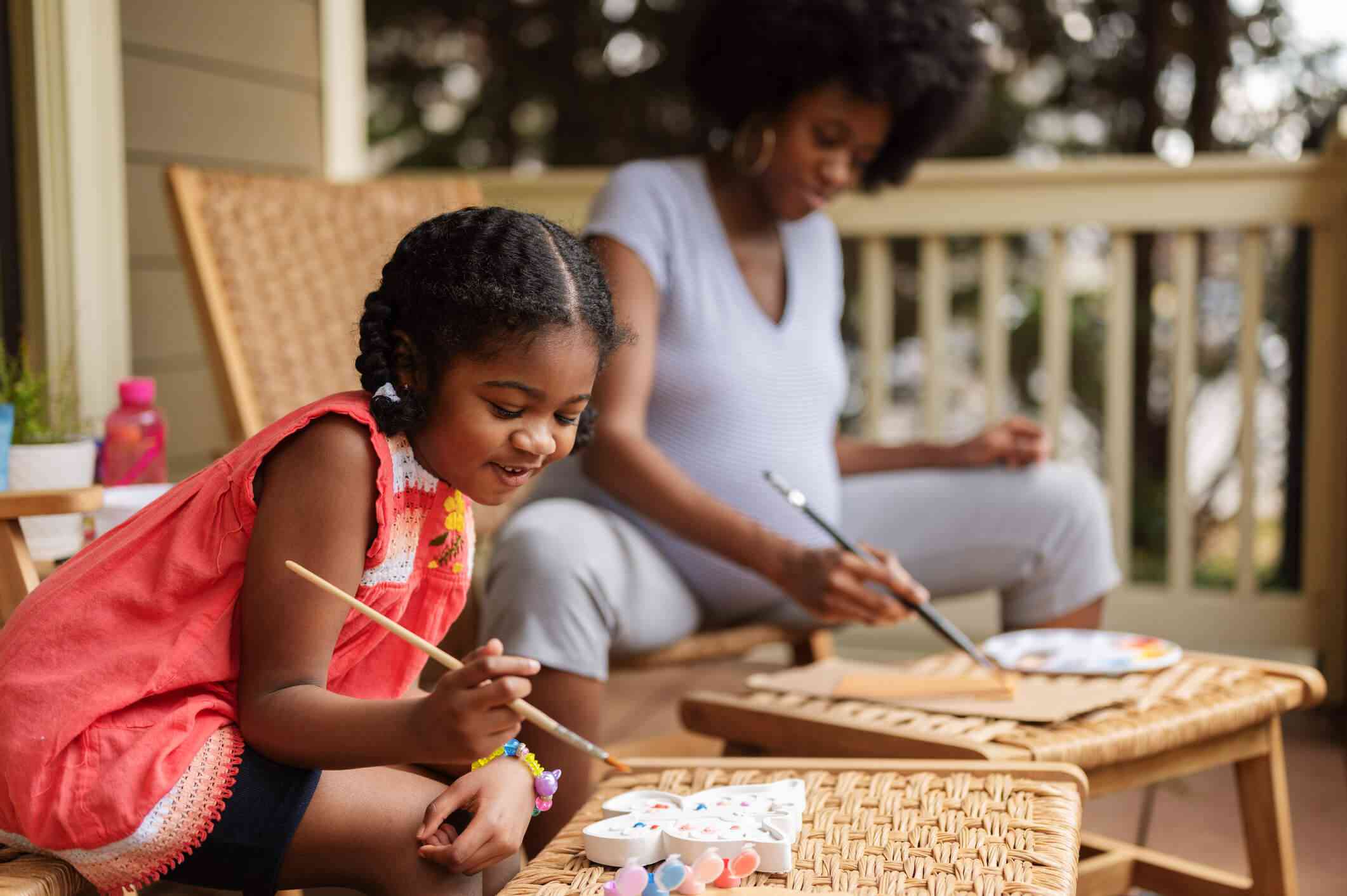
It is easy for a mother’s emotional and physical well-being to be affected by the demanding job of raising young children. Prioritizing your own health can be difficult to do when you’re juggling the demands of motherhood. Taking care of yourself will help you maintain the energy and resilience required for motherhood. Here are some self-care strategies to help you succeed while raising young kids.
Understanding the Importance Self-Care
Self-care does not have to be selfish. It is essential to being the best possible version of you for your family. Nurturing your own health and well-being will help you to model healthy behavior for your family and create a harmonious and balanced home.
Establish a Routine
1. Create a flexible schedule
Routines help to create predictability during otherwise chaotic days. Create a flexible plan that allows you to schedule time for yourself. Schedule regular self-care, whether it is a quiet morning coffee or a few minutes of reading before going to bed.
2. Prioritize Sleep
A good night’s sleep is essential for both mental and physical well-being. You should aim for 7-9 hours each night. Consider napping while your child is sleeping and developing a relaxing bedtime routine.
Physical Well-being
3. Exercise Regularly
Include physical activity in your daily routine. You could take your child on a brisk stroll in the stroller, or do a quick workout at home while they are napping. Exercise improves your mood, gives you more energy and reduces stress.
4. Eat Nutritiously
Your body and your mind will benefit from a balanced diet. Plan healthy meals that include whole foods, fruits and vegetables. Prepare healthy snacks in advance to avoid relying on less-healthy options when you are busy.
Mental and emotional health
5. Practice Mindfulness
Incorporate mindfulness practices into your daily life, such as deep breathing or meditation. Even a few moments a day will help you reduce stress and improve your emotional resilience.
6. Show your gratitude
Spend a few minutes each day thinking about the things that you are grateful for. A gratitude journal helps you shift your attention from the negatives to the positives. It can improve your outlook and overall happiness.
Social Connections
7. Build Relationships
Nurture relationships with family and friends. Regular interactions foster emotional support and a feeling of belonging. To maintain these bonds, schedule regular catch-ups – even if it’s virtual.
8. Join Parenting Groups
Joining parenting groups and online communities is a great way to gain support, share your experiences and learn from others. These connections can offer valuable insights and camaraderie to enhance your parenting journey.
Personal time and hobbies
9. Reclaim me-Time
You can do anything you enjoy, like gardening, reading, or drawing. Prioritizing hobbies will allow you to maintain your personal identity and recharge.
10. Set Boundaries
Establish boundaries to protect your personal time. You might need to put away your screens for the evening or ask for help if you are in need of a break. Clear boundaries promote mental health and help reduce burnout.
Support and Help from Professionals
11. Seek counseling or therapy
Talking to a therapist or counselor can help you release your emotions and reduce stress. Professional support can help address underlying problems and promote mental health.
12. Utilize Childcare Resources
Use childcare options such as family help or babysitters to give yourself time to care for yourself. Even a few dedicated hours each week can have a positive impact on your overall health.
Efficient Time Management
13. Embrace Delegation
Share household duties with your partner or children. Delegating tasks can help manage your workload and prevent you from having to do all the caregiving yourself.
14. Simplify household chores
Streamline your chores with time-saving techniques, such as meal preparation or organizing a schedule for cleaning. Keep household tasks manageable to reduce stress and leave more time for self-care.
Conclusion
Self-care is essential to your wellbeing. It’s not only possible, but also necessary. Prioritizing your physical health, developing emotional resilience and creating social connections will help you to create a balanced lifestyle that is beneficial for you and your family.
Self-care is an investment in yourself and the people you love. You can handle the demands of parenting better by taking small, consistent steps. Be kind to yourself and celebrate each step you take towards self-care. By valuing yourself, you can enrich the well-being of your family and set an example of a balanced, healthy lifestyle.
