
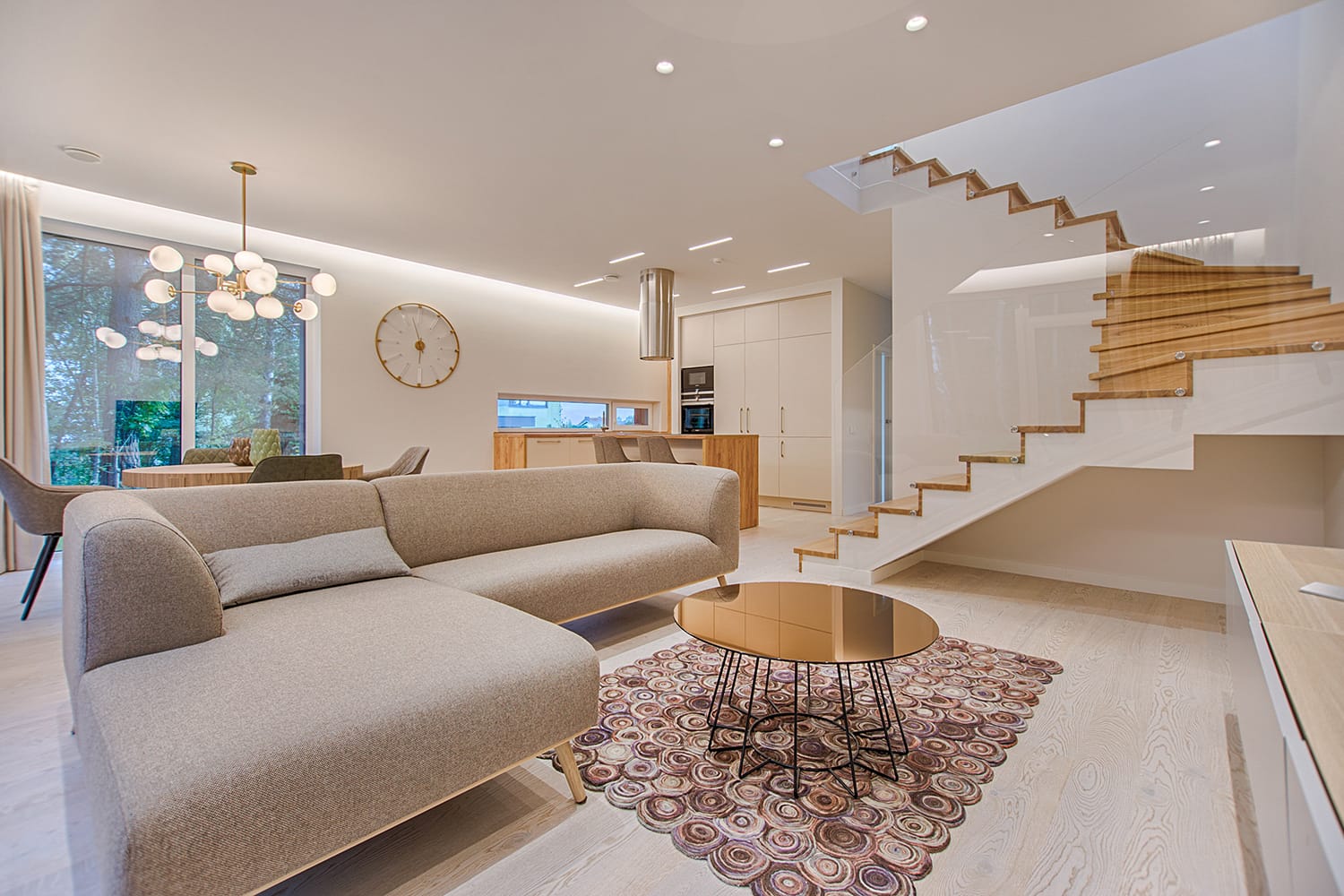
Capturing interiors through photography requires more than a camera and a keen eye. Every room has a story, a mood, and subtle details that contribute to its character. Photography transforms these elements into visual narratives that resonate with viewers. Whether for professional portfolios, home showcases, or design inspiration, mastering interior photography techniques elevates the impact of images. This guide explores effective strategies to create stunning interior shots that communicate both design and atmosphere.
Understanding Light
Lighting is the foundation of all compelling interior photography. Natural light produces a soft, inviting atmosphere, often highlighting textures and colors more effectively than artificial sources. Photographers can enhance natural light by scheduling shoots during golden hours when sunlight enters rooms at a low angle. Windows should be leveraged strategically to fill spaces with even illumination while avoiding harsh shadows. Reflectors or white surfaces can redirect sunlight into darker corners, balancing exposure throughout the frame.
Artificial lighting complements natural light, particularly in spaces with limited window access. Warm-toned lamps, recessed lights, and wall fixtures add depth and accentuate focal points. Mixing light sources requires careful attention to color temperature, ensuring consistency across the entire image. Photographers often experiment with dimmers to create moods that match the intended style of the space.
Choosing the Right Equipment
Selecting appropriate equipment is essential for capturing interiors with clarity and detail. Wide-angle lenses are commonly used to encompass entire rooms without distortion, though extreme angles may alter proportions. Prime lenses provide sharper images and better control over depth of field, highlighting key features while keeping the background softly blurred. Tripods enhance stability for long exposures, especially in low-light conditions, reducing the risk of blur caused by hand movement.
Cameras with high dynamic range capture subtle variations in light, preventing blown-out highlights or lost shadows. Remote triggers and tethered shooting allow precise control over timing and composition. Accessories such as lens hoods, filters, and portable lighting kits enable greater flexibility in creating polished results.
Composition Techniques
Successful interior photography relies on thoughtful composition that guides viewers’ attention naturally. Leading lines, such as architectural elements or furniture placement, draw the eye toward focal points. Symmetry and balance create visual harmony, emphasizing design choices while making spaces appear orderly. Photographers often use the rule of thirds to position key objects strategically, avoiding cluttered or static frames.
Inclusion of foreground elements can add depth and context. A well-placed plant, decorative item, or seating arrangement can create layers, making the space feel more immersive. Attention to negative space allows rooms to breathe visually, preventing crowded or overwhelming images. Cropping decisions also influence perception, enabling a focus on textures, materials, or unique architectural details.
Color and Texture
Color coordination is crucial in interior shots. Neutral palettes often convey calm and elegance, while vibrant hues add energy and personality. Photographers must be aware of color interactions under various lighting conditions, adjusting white balance to maintain accurate tones. Consistency across images in a series ensures cohesion, which is particularly important for portfolios or design features.
Texture enhances visual interest, giving surfaces a tangible quality. Wood grains, fabric weaves, stone finishes, and metallic accents respond differently to light, creating subtle contrasts. Capturing these elements requires careful attention to angles, distance, and lens choice. Emphasizing texture can make a space feel more realistic and inviting, allowing viewers to almost sense the materials through the photograph.
Declutter and Stage the Space
Preparation of interiors is a key step before pressing the shutter. Cluttered spaces distract from the intended focus, diminishing the impact of otherwise beautiful designs. Removing unnecessary items and arranging furniture thoughtfully enhances clarity and flow. Photographers often stage interiors with props, textiles, or accent pieces to create a narrative or emphasize function. Simple adjustments, like aligning cushions or opening curtains, can dramatically improve the overall composition.
Small details, such as fresh flowers, books, or artwork, contribute to ambiance without overwhelming the scene. Attention to symmetry and proportion during staging ensures that rooms appear orderly yet lived-in. The goal is to showcase the space authentically while maximizing visual appeal.
Angle and Perspective
Experimenting with angles and perspectives helps reveal the character of interiors. Shooting from slightly above eye level can provide a broader view, making rooms feel spacious. Low angles may emphasize height and vertical features, while straight-on perspectives highlight symmetry and design balance. Photographers often explore multiple viewpoints to determine the most effective representation of each space.
Movement within the frame, such as doors or windows partially open, can create dynamic interest. Reflections in mirrors or polished surfaces add depth when used judiciously. Understanding spatial relationships and visual lines ensures that compositions feel natural rather than forced, enhancing viewer engagement.
Post-Processing Techniques
Post-processing is an integral component of interior photography, enhancing colors, sharpness, and lighting while maintaining authenticity. Adjustments to exposure, contrast, and white balance can correct inconsistencies, producing a polished final image. Retouching minor imperfections, such as smudges or stray objects, ensures clean presentation without altering the integrity of the space.
Advanced editing techniques, like HDR merging, allow photographers to combine multiple exposures, preserving detail in both shadows and highlights. Color grading can unify series of images, creating visual consistency for a portfolio or publication. Subtle sharpening and noise reduction contribute to crisp, professional-quality results.
Showcasing Design Through Details
While wide shots capture the overall layout, close-up images highlight craftsmanship and personality. Textures, materials, and finishes come alive in detailed photographs. Unique elements, such as custom cabinetry, light fixtures, or decorative accessories, can define the character of a room. Including a combination of wide, medium, and detail shots creates a comprehensive portrayal that conveys both functionality and aesthetic appeal.
Viewers appreciate storytelling through imagery. Photographers who focus on the harmony of colors, textures, and spatial organization provide more than visual documentation; they communicate design intent and mood. Each detail contributes to the overall impression, influencing perception of the entire space.
Utilizing Professional Services
For those seeking consistent quality and expertise, professional assistance can elevate results. Interior photography services offer specialized knowledge in lighting, composition, and editing. They provide equipment and experience to navigate challenges, ensuring rooms are captured at their best. Engaging with professionals can be particularly valuable for portfolios, publications, or commercial showcases, where precision and presentation are critical.
Collaborating with skilled photographers allows designers and property owners to focus on styling while ensuring images meet high standards. Professional services often include comprehensive coverage, from pre-shoot planning to post-production, resulting in cohesive, striking imagery.
Conclusion
Creating stunning interior photography shots demands a blend of technical skill, creative vision, and attention to detail. Proper lighting, thoughtful composition, and careful staging transform ordinary rooms into visually compelling stories. Emphasizing textures, colors, and spatial relationships enhances the authenticity and appeal of images. Post-processing refines the final output, ensuring clarity and consistency without compromising realism. By integrating these strategies, photographers can produce images that inspire, inform, and captivate audiences, showcasing interiors at their finest.
