
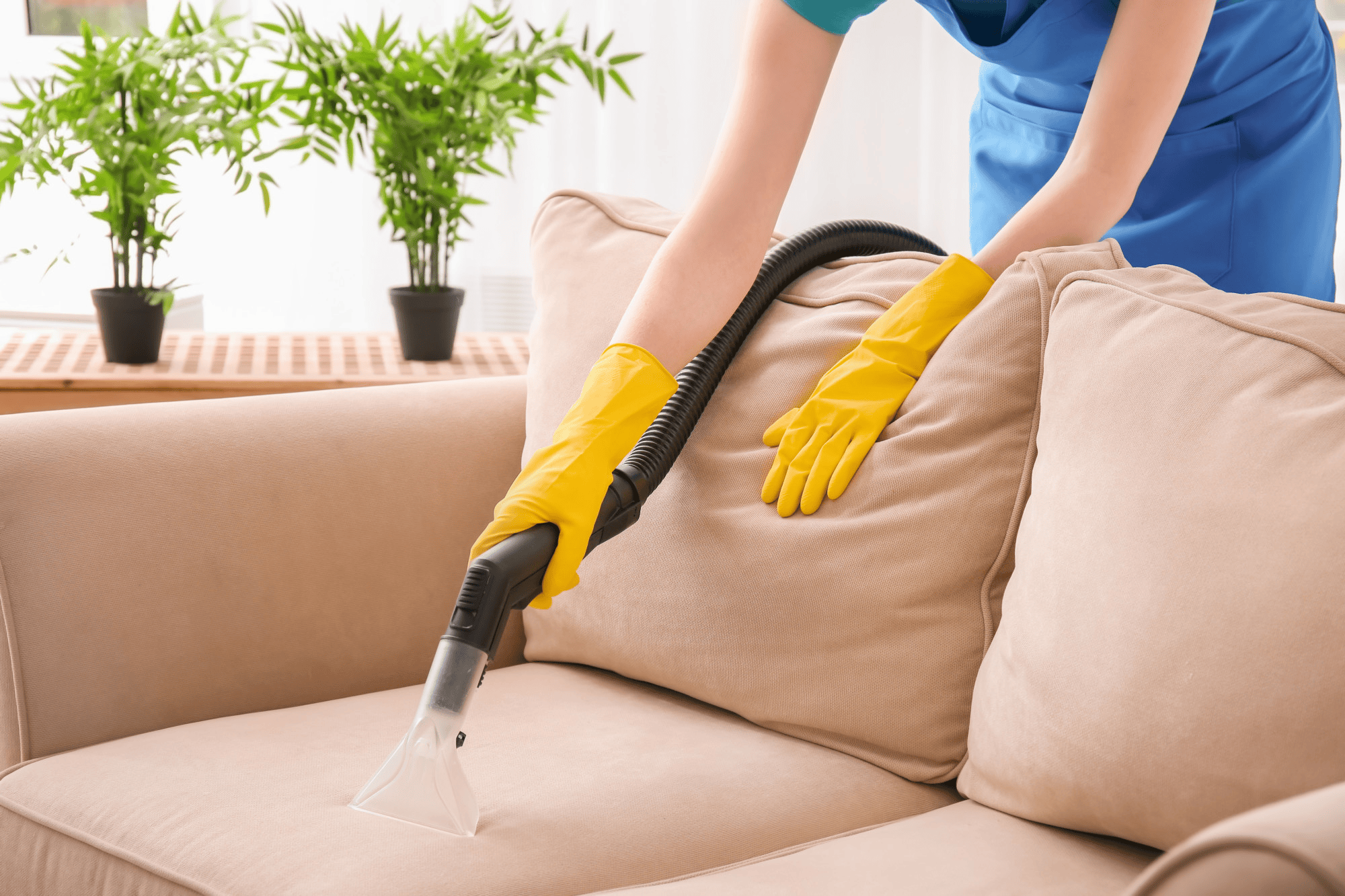
To keep your furniture looking fresh for as long as possible, it is important to care for it regularly. Upholstery is one major area where dirt and stains can build up, which is created due to usage over time, because it is used more often in home decor. There are strategies that professional cleaners have used to ensure that these fabrics remain looking new and bright. This article discusses a few of these expert strategies for upholstery cleaning.
Understanding Upholstery Fabrics
Not all fabrics are made the same way, and each needs a different method of cleaning. Before cleaning, it is crucial to know the material. Examples include common fabrics such as cotton, leather, wool, and various synthetic blends. They all have their unique features, and each one requires specific care.
Cotton: It has excellent breathability and is wrinkling and staining -prone. Avoid harsh or abrasive detergents when cleaning.
Leather: A luxury material that requires a delicate touch. Cleansers and conditioners specially made for leather are used to enhance its glaze and texture.
For example, wool is a tough fabric that resists dirt, but it can shrink if it gets too wet. Dry cleaning is often recommended.
Man-made: Synthetic Blends, these tend to be less stain-prone. But they will respond differently to different cleaning agents.
Knowing the right fabric prevents you from having the wrong kind of cleaning process, thus avoiding damage to the fabric.
The Importance of Regular Maintenance
Furniture can last a long time, and all it needs is some consistent care. Fibres can get worn out by dust, and dirt gives them a dull look. Experts suggest regular vacuuming to take care of loose particles. It prevents dirt from getting stuck further deep in the material.
Use A Soft Brush Attachment: This keeps the fabric from getting damaged while sucking up dust and dirt.
Dealing with the Cracks: Most of the dirt hides in stitches and plaits where you have to pay extra attention.
You should also rotate cushions regularly, as part of normal maintenance. This helps in equal wearing and also prevents sagging. With these few easy things, furniture can remain in good-looking condition between professional cleanings.
Tackling Stains Effectively
One of the most annoying problems with upholstery is that it is prone to many stains. You need to act quickly to avoid them from setting in. Here are tips from the pros on getting rid of certain stains:
Oil-based stains: choose a solvent or dry-cleaning solvent to dissolve oils without causing them to pool too far. Use a cloth to dab, instead of rubbing.
Water-Soluble Stains: A solution of mild detergent and water can remove these stains easily. It recommends blotting with a damp, clean cloth.
Ink stains: Solutions based on alcohol can help remove ink. Be sure to test in a non-seen area to prevent discolouration.
Professional cleaners emphasise the need for blotting, not rubbing. If you rub it, then the stain can spread, and the fibres can be damaged.
The Role of Steam Cleaning
One of the most potent methods utilised in the professional field is steam cleaning. It uses the hot water extraction method to wash dirt and to extract bacteria. This technique is especially good for making things deep clean and clean with the use of sanitiser.
Gentle on Most Fabrics: Steam cleaning is viable for most upholstery types, but be sure to check your manufacturer’s guidelines.
Disinfects And Removes Allergies: The hotter air does not just clean but actually disinfect which makes it great for allergy sufferers.
Fast Drying: Modern steam cleaners guarantee less water left behind, which consequently will dry up way quicker.
If done regularly, steaming cleansing could make the fixtures look higher and experience cleaner, which is why many specialists promise it.
Choosing the Right Cleaning Products
There are many types of cleaning products available in the market, and not all can be used on all kinds of fabric. Experts stress about using appropriate products for the relevant materials.
Environmentally Safe Choices: They are fabric-friendly and eco-friendly. Look for biodegradable labels.
Caution: Always test a product on a small, hidden area before using it on the entire couch to make sure it can be used without discolouring the couch.
Beware of Strong Chemicals: High-grade chemicals harm the fibres and make them lose their original shine. Opt for mild, fabric-safe solutions.
Using the right products will not only improve cleaning but also help to prevent damage to the upholstery.
Hiring Professional Services
Though the DIY methods seem to be great, sometimes you need professional help. Hiring upholstery cleaning services in Adelaide can be beneficial in such cases.
Gain Knowledge and Experience: The professionals have made proper record on every material and tool to use on each stain.
Quality Machines: Most of them use expert machines that produce better quality results than domestic appliances.
Saves Time: A professional service can take the hassle out of maintaining a garden, giving you time to do other things.
Regardless, professional services help in putting the mind at ease by assuring that the furniture is going to be with the experts.
DIY Cleaning Solutions
In contrast, those who like to handle cleaning tasks themselves might find making DIY solutions useful. Some common DIY mixtures include:
Vinegar and Water: A simple remedy for minor stains. Combine equal volumes of water and vinegar, then blot on the discoloured area.
Baking Soda Paste: This can help remove tough stains. Make a paste of baking soda mixed with a little water and place on the stain, leave it on to fill and vacuum.
Salt and Club Soda: Good for your fresh spills. For a spill, blot it, sprinkle some salt and then pour some club soda over it.
While home remedies are easy, you have to be extra cautious, as these might also ruin the fabric.
Preventative Measures
Stains and damage in general are best left to the latter. Here are some ways you can keep your upholstery in its best shape, according to the pros:
Opt for Slipcovers: They add a line of defence and are machine washable or easy to replace.
Frequent Dusting: Dust can gather on surfaces, adding to wear. Periodic dusting with a soft cloth is always a good idea for keeping clean.
Prevent Pets: Pets can bring dirt and scratches. To keep them from damaging furniture, train them to stay off of it
Taking these preventative measures will decrease the frequency with which deep cleansings are necessary.
Conclusion
Proper care of your upholstery is an important part of keeping your home a lovely and comfortable place to live. With a good grasp of fabric varieties, basic care, and an awareness of when to call in the pros, anyone can keep their upholstery looking great.
