
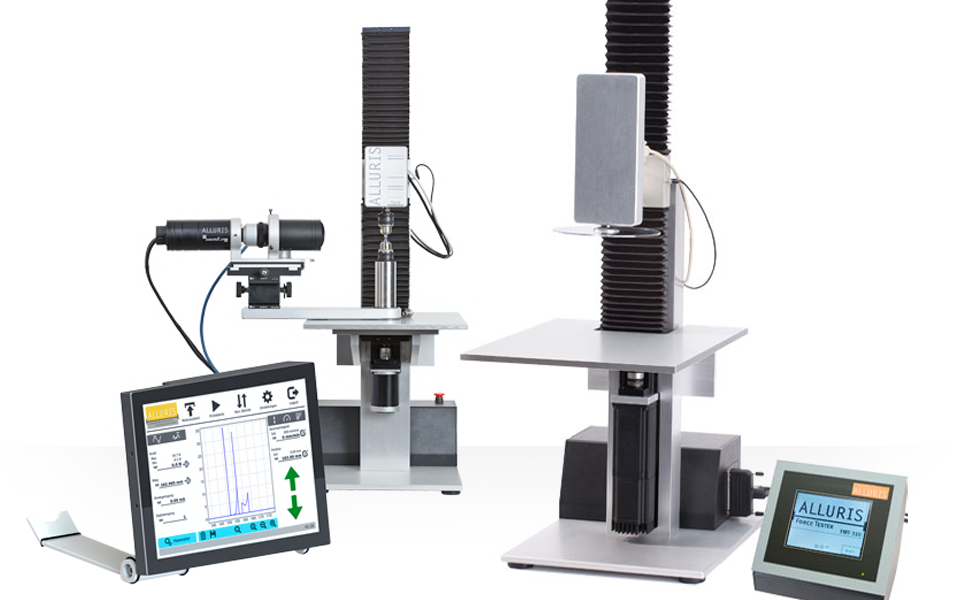
A universal testing machine (UTM) is important equipment used in electronics and across different industries. The primary purpose of this machine is to test the mechanical properties of the material. This machine generates key data that allows manufacturers, researchers, and engineers to make wise choices. Having a grasp of its applications gives clues to its importance.
Basic Functionality
A Universal testing Machine applies a gradual force on the sample and measures how the sample responds to tension, compression, and bending. Thus, it assesses the robustness, elasticity, and ductility of materials. The apparatus comprises a load frame, a force transducer, and crossheads that translate the load on either side. All these components work together to obtain accurate readings.
Testing Capabilities
Mentioned below are some of the testing capabilities of a UTM.
Tensile Testing
Tensile testing is one of the most popular applications of the UTM. This test involves stretching a material until it fails, measuring how much tensile strength (or tensile stress) and elongation it has. Knowing how a substance will behave when undergoing stress is crucial because it plays a significant role in product design, which comes down to safety.
Compression Testing
Compression testing examines the behaviour of materials when a compressive force is applied. Concrete and metals are among the construction materials that require this test, which is helpful in evaluating their load-carrying capacity and resistance to deformation.
Flexural Testing
Flexural or bending tests determine the ability of a material to withstand deformation under a load. This matter is specifically significant for miles of things, such as timber and plastic. It gives a glimpse of the elasticity and strength of a particular material.
Shear Testing
Shear testing measures a material’s response to forces that slide between its layers. It is particularly important for fasteners and adhesive materials, guaranteeing that they will not fail due to the shear stress experienced.
Peel Testing
Peel testing characterises the adhered properties between layers of material. In industries such as packaging and electronics, adhesion quality is crucial, so this test has a specific scope. It guarantees that bonded materials will stay bonded under changing conditions.
Applications Across Industries
Listed below are some of UTM’s applications across various industries.
Construction and Civil Engineering
In construction, the longevity and safety of materials are of the utmost importance. Feature: UTMs are used to test and explore materials such as concrete, steel, and composite structures. They ensure that those components meet the required standards and withstand environmental stresses.
Automotive Industry
The automotive sector uses UTMs to physically test the strength and durability of vehicle components, including body panels, engine parts, and everything else. They test materials and hope that they impact and perform exactly what they need to do. This helps provide reliability and safety for vehicle owners.
Aerospace Sector
Aerospace applications require high precision and reliability. UTMs test materials used in aircraft construction, including composites and metals. It is critical to flight safety and efficiency that these materials can tolerate extreme conditions.
Textile and Fabric Testing
UTMs measure fabrics’ strength, elasticity, and durability in the textile domain. This simply guarantees that clothing and technical textiles perform better under stress. It also helps designers make new materials with better traits.
Medical Device Manufacturing
We must stress test all medical devices to ensure their safety and effectiveness. UTM’s test materials are used in implants, surgical tools, and other medical products. This ensures they are working as intended and meeting regulators’ exacting standards.
Ensuring Quality and Safety
UTMs are very important in terms of quality control. They provide accurate data about material properties, assisting manufacturers in adhering to the highest standards. This improves consumer confidence and minimises the chances that the product will fall flat. Less waste results in more accurate testing because less material is wasted.
Advancements in Technology
Traditional UTMs are utilised by rendering huge material preparations for mechanical testing; however, modern-day UTMs are used excessively for testing. Digital controls and software integration enable the automated collection and analysis of data, simplifying the testing process and giving deeper insights.
To Sum Up
The Universal Testing Machine is an essential apparatus used in several fields such as education, science, and engineering. As a result, it is a necessary tool for ensuring the quality and safety of various materials since it can test multiple material properties. Industries need to understand their capabilities and applications because this would help them prepare better for challenges and innovations. Contextualization using this knowledge enables informed decisions that boost product development and reliability.
