
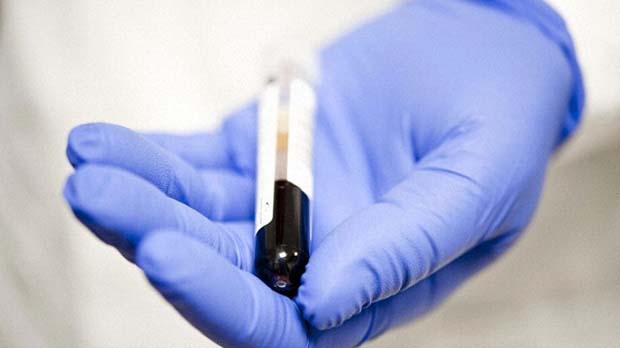
When it comes to the screening and detection of breast cancer, individuals, particularly women, often find themselves navigating through an ocean of information and misperceptions. One frequently pondered question is: Will breast cancer show up in routine blood work? Let’s dive deep into understanding the intricacies and possibilities surrounding this pivotal concern.
Unveiling the Layers: Understanding Blood Tests
Blood tests are often depicted as a gateway to deciphering our internal health statuses. Generally, they can reveal vital information concerning our organs, such as the liver, kidneys, heart, and thyroid. Routine blood tests commonly involve Complete Blood Count (CBC), Basic Metabolic Panel (BMP), and Lipid Profile, amongst others, which primarily evaluate your overall health but are not specific to cancer detection.
The Direct Link: Can Blood Tests Detect Breast Cancer?
Conclusively, typical routine blood work doesn’t directly diagnose breast cancer. Specific tests like Mammography, MRI, and biopsies have been the frontline strategies in detecting abnormalities or malignancies in the breast tissue.
Unlocking the Enigma: Tumor Markers
Though, it’s noteworthy that certain blood tests called tumor markers can indicate the presence of particular substances produced by cancerous cells, primarily CA 15-3 and CA 27-29 in the context of breast cancer. However, it is crucial to underline that such markers are not exclusive to cancer and can elevate due to non-cancerous conditions as well.
Beyond Blood Tests: Pioneering Technological Advances in Cancer Detection
New technological strides have paved the way for more advanced detection methods, such as liquid biopsies that seek Circulating Tumor Cells (CTCs) and Circulating Tumor DNA (ctDNA) that might be shed by the tumor into the bloodstream. However, these are not yet conventional or widely validated for breast cancer screening but showcase promising future potential.
Importance of Traditional Screening Methods
Given the limitation of blood tests in providing a definitive diagnosis, traditional screening methodologies like mammograms and ultrasounds are pivotal. Early detection through these proven strategies remains paramount in identifying and thwarting the progression of breast cancer.
Age and Risk Factor: Determining The Frequency of Screenings
Understanding the balance between age and risk factors is imperative in establishing a screening regimen. Women over 40 or those with a family history of breast cancer may require more frequent and intensive screening processes, employing a combination of various testing modalities.
Coping and Beyond: Managing a Breast Cancer Diagnosis
A breast cancer diagnosis is overwhelming and yet, managing it goes beyond the initial identification. It intertwines with mental, emotional, and physical wellbeing, harnessing a network of support from medical professionals, family, and friends, as well as possibly connecting with survivor groups and counselors.
An Ounce of Prevention: The Role of Lifestyle and Early Detection
Maintaining a healthy lifestyle, including a balanced diet, regular exercise, and keeping alcohol consumption minimal, plays a role in breast cancer prevention. Simultaneously, understanding the significant impact of early detection and adhering to recommended screening schedules cannot be overstressed.
Nurturing Hope and Progress: Ongoing Research and Development
The future glimmers with hope as continuous research and clinical trials forge new pathways in the early detection and management of breast cancer. Whether exploring novel blood tests, understanding genetic predispositions, or innovating therapeutic interventions, science is persistently battling against this pervasive disease.
Conclusion
To encapsulate, while routine blood work is not a direct medium to diagnose breast cancer, it remains an instrumental tool in gauging overall health. The reliance on tried-and-true screening methods like mammography and ultrasounds, complemented by advancements in research and technological innovations, fortifies our armamentarium against breast cancer. Grasping the multifaceted aspects of screening, prevention, and management propels us toward fostering a future where every individual is armored with knowledge and options in the battle against breast cancer.
