
Introduction
A home’s exterior finish faces constant pressure from rain, salt, dust, spores, and traffic film. Those deposits do more than reduce street appeal. They can shorten paint life, stain porous surfaces, and hold dampness where damage starts quietly. Professional house washing helps remove that buildup before it settles deep into cladding or trim. Regular care keeps surfaces cleaner, steadier, and better prepared to resist Auckland’s shifting coastal conditions.
Dirt Speeds Up Finish Wear
Salt, tree pollen, soot, and algae settle slowly on cladding, trim, and eaves. Over months, that film holds moisture against paint and stains the surface. Many owners book Exterior House Washing Services in Auckland before dull patches spread, because early cleaning removes residue, lowers wear, and helps finishes keep their colour for longer.
Moisture Turns Surface Soil Into Damage
Dirty walls dry more slowly after rain. That extra dampness can soften paint edges, feed mould, and leave tide marks near joints. Timber, fibre cement, and rendered areas all suffer when grime stays wet for long periods. A professional wash clears that layer before trapped moisture starts weakening the outer coating.
Low Pressure Can Be Safer
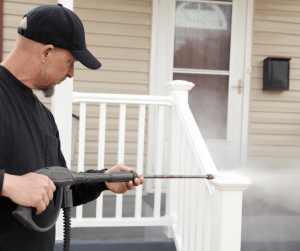
Professional teams do more than spray water. They match pressure, nozzle type, and cleaning mix to each material. That approach reduces the chance of etched paint, lifted boards, or forced water behind gaps. Gentle treatment matters on older homes, where finishes may already have thin spots or fragile edges.
Painted Timber Needs Care
Timber weatherboards can swell, crack, or peel if washed too harshly. Soft washing helps clean the face without driving water into joins. It also removes mould from shaded sides where hand scrubbing often misses hidden growth. A careful method protects both the coating and the board beneath it.
Routine Washing Supports Longer Paint Cycles
Paint does not fail from sunlight alone. Surface contamination adds stress between maintenance visits. Washing every six to twelve months can help coatings perform closer to their expected life span. That simple schedule also makes early defects easier to spot, which gives owners more time to fix small issues before repainting becomes urgent.
Gutters, Paths, and Splashback Matter Too
Exterior finish care does not stop at the walls. Overflowing gutters can streak fascia boards and soak nearby paintwork. Dirty paths throw grit and organic matter back onto lower cladding during heavy rain. Fences, decks, and driveways also affect how clean the home looks. A full exterior wash creates a more even result.
Cleaner Surfaces Mean Fewer Repair Bills
Mould and mildew leave marks that grow harder to remove over time. Lichen can grip rough coatings and leave pits after scraping. Those problems often lead to patch repairs, sanding, and local repainting. Professional washing lowers that risk by clearing growth early, which helps owners avoid paying for preventable surface fixes later.
Professionals Inspect While They Clean
A skilled crew notices more than dirt. Washing often reveals cracked caulk, rust bleed, swollen timber, chalking paint, and blocked drainage points. Spotting those signs early can save money because repairs stay smaller. That inspection value is easy to miss, yet it plays a big part in preserving a home’s outer finish.
Auckland Conditions Raise The Stakes
Auckland homes often face salt air, high humidity, windblown debris, and shaded areas that stay damp. Coastal suburbs can collect residue faster than inland streets. North-facing walls fade, while sheltered sides grow mould. Local conditions make routine washing practical, not cosmetic. A regional service usually understands those patterns and plans cleaning around them.
Conclusion
Professional house washing helps preserve a home’s finish by removing grime before moisture, mould, and salt start doing costly work. It also supports longer paint cycles, reveals early faults, and keeps materials looking cared for without rough treatment. For households across Auckland, regular exterior cleaning is a simple maintenance step with visible value. Clean surfaces last better, dry faster, and give protective coatings a stronger chance to perform well year after year.
